
In this article
Secret Lair Countdown Kit: Marvel’s History of Heroes asks a familiar question in an unusually large box: do you want these cards, or do you want the experience of opening them? The announced kit contains 30 individually packaged Magic cards, including reprints and two cards from the upcoming Marvel: Darkhold Destiny set. Wizards lists the US price at $199.99 USD and the launch date as November 2, 2026 (official announcement, checked October 19, 2026). This guide uses selected cards to help you decide whether the kit or individual singles better fit your decks and collection. That is enough information to start evaluating it; “there are expensive cards inside” is not yet a buying strategy.
Start with the cards you would actually sleeve
Make a list of the cards you would put into decks in the next year. Not cards you might build around after acquiring six other cards, and not cards that look impressive in a spreadsheet. Cards you would use. Then mark which ones you already own in a version you like. A reprint only saves money if it replaces a purchase you would otherwise make, and a fifth copy of a Commander staple is mostly an invitation to start another deck.
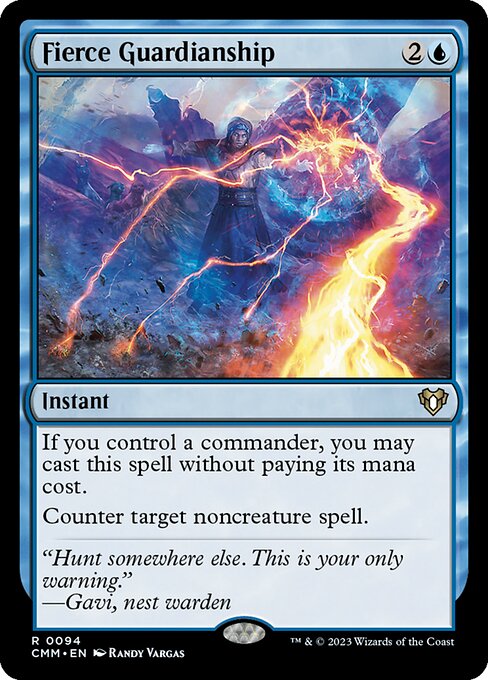
Fierce Guardianship is an easy example of a card with a clear job. It costs three mana, but if you control a commander you may cast it for no mana to counter a noncreature spell. That makes it unusually efficient protection in Commander, while the commander requirement limits it elsewhere. If your decks want it and you lack a copy, a premium-art reprint may be welcome. If you do not play blue Commander, the card’s reputation does not obligate you to buy the kit.
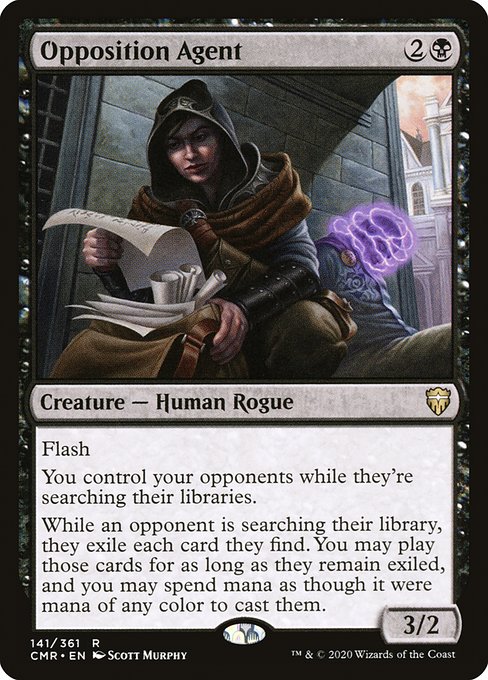
Apply the same test to Opposition Agent. It has flash, and while an opponent searches their library, you control that player; cards they find are exiled and you may play them using mana as though it were any color. It can punish tutors and change a table’s calculations, but it is a three-mana black creature with a specific kind of multiplayer impact. “Powerful” and “belongs in every black deck” are not synonyms, despite what a commander staples list may imply.
Read the new cards as previews, not as bonus value
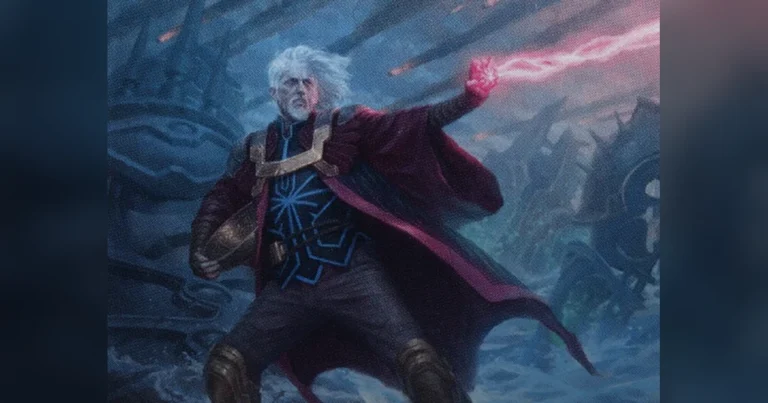
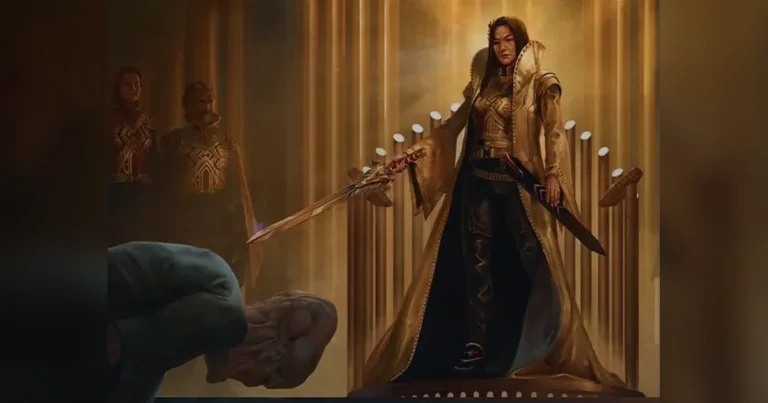
The kit includes Doctor Strange, Master of Magic and Beta Ray Bill, both uncommon cards associated with Magic: The Gathering | Marvel: Darkhold Destiny. Wizards says those cards become legal in all formats beginning with that set’s prerelease events on April 2, 2027. Until then, do not count them as usable format staples. Their future utility depends on their full card text, the decks they fit, and how the surrounding set plays. Being new is not a gameplay ability, even if packaging has made a career out of suggesting otherwise.
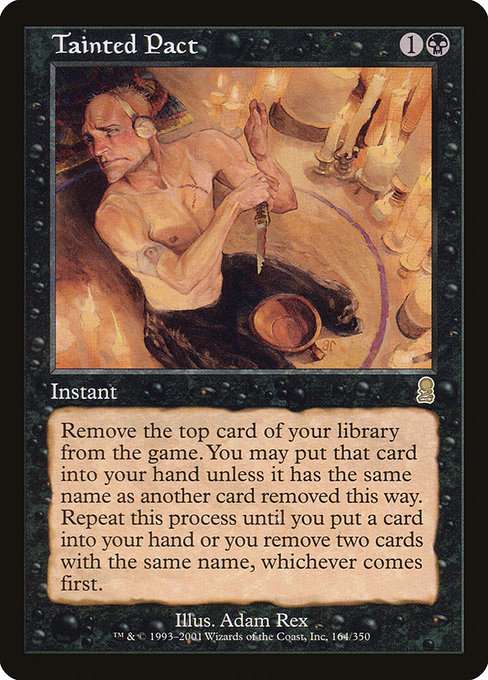
For an existing card, check its text and legality before assigning it a role. Tainted Pact, for example, exiles cards from the top of your library until you choose one to put into your hand or hit a duplicate name among cards exiled this way. It can be a flexible instant-speed tutor in a singleton deck, but its risk and deckbuilding constraints matter. A reprint can improve access without changing what makes the card suitable or unsuitable for your list.
Separate the cards from the opening experience
Each kit contains 30 individually packaged cards, with cards appearing in nonfoil, foil, or surge foil versions at random. That means a sealed purchase includes variance by design. If the special treatments, packaging, and reveal process are part of what you want, treat that as entertainment you are paying for. If you mainly need two or three specific cards, buying singles gives you control over which cards and versions you receive. Random foil treatment is fun when it lands on a card you want; it is less compelling when it upgrades the card you planned to trade away.
Use three rough totals before deciding: the cost of the exact singles you need, the cost of the singles you would realistically trade or sell, and the amount you are comfortable spending on the sealed opening itself. Keep those totals separate. Do not count every card’s current listing price as cash you can recover: selling takes time, fees and shipping reduce proceeds, and the buyer has to want the card. Price snapshots are weather, not architecture.
Notice the downside cards too
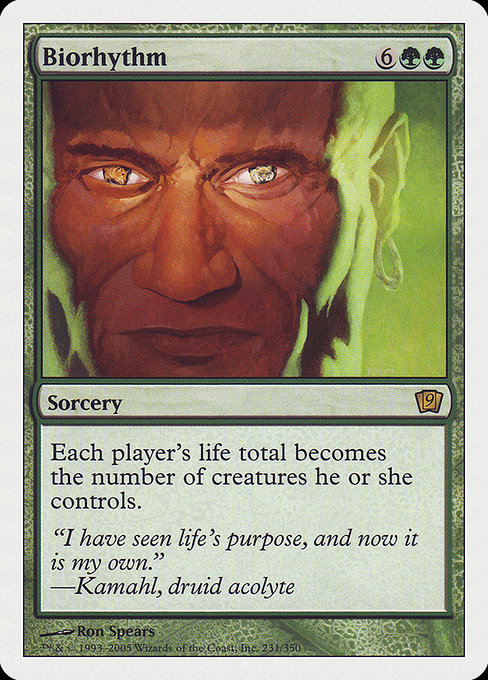
A kit is a bundle, so the weak fits are part of its cost. Biorhythm costs eight mana and sets each player’s life total to the number of creatures they control. That can radically change a board state, but it is also a polarizing multiplayer effect with a demanding mana cost. Ask whether your group and decks welcome that kind of swing before treating a high-profile reprint as automatic value.
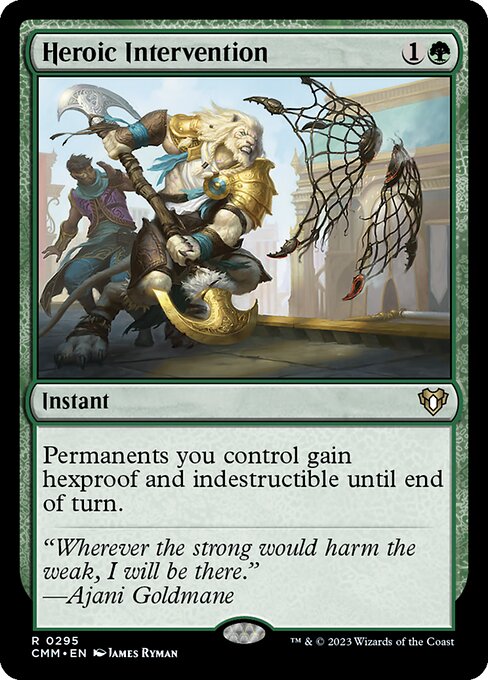
Likewise, Heroic Intervention gives permanents you control hexproof and indestructible until end of turn. It is a broadly useful defensive spell in many green Commander decks. But if your collection already has copies in the decks that need them, another printing may have less personal value than a less famous card you are missing. A bundle’s average desirability does not determine its value to your collection; your actual deck list does.
A practical decision in four checks
Before ordering, answer these in order: Do at least several cards fill real gaps in decks you already play? Are you comfortable with random treatments and with the cards you may not want? Would buying those desired singles leave you better off? Is the sealed opening itself worth the difference to you? If the first three answers are no, the fourth can still justify a treat, but call it a treat rather than a bargain. Your wallet appreciates accurate labeling.
The strongest case for this kit is a Marvel fan and Commander player who wants multiple reprints, enjoys the special packaging, and is happy to accept randomness. The strongest case against it is a player seeking one or two staples who would rather choose exact versions. Most people will land somewhere between those positions. Decide using the cards you will play and the experience you actually value, then let the box remain sealed on someone else’s shelf if the arithmetic does not work for you.
Source: Draftsim’s Marvel’s History of Heroes Countdown Kit overview informed the product topic. Product contents, price, launch timing, and release legality were checked against Wizards of the Coast’s announcement. Card text, legality, metadata, and images were verified with Scryfall.