
In this article
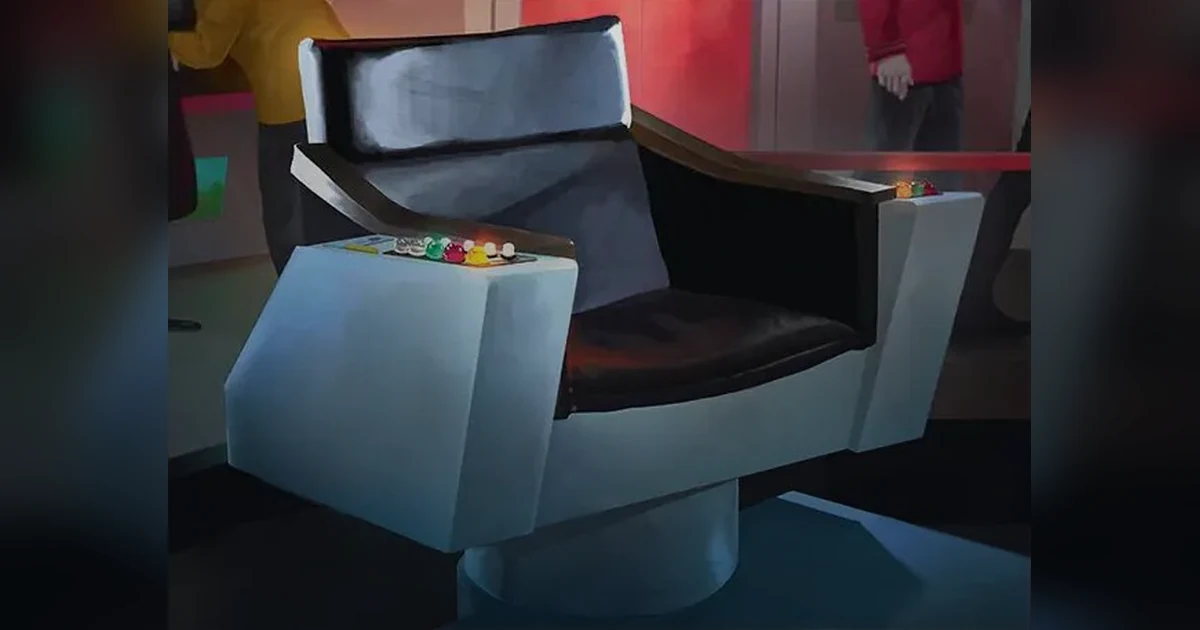
“Chair Tribal” is a real joke people can play, but it is not an official Magic format. Draftsim’s October 25 article treats the Star Trek release as a new excuse to revisit the gag; its own tags classify the piece as satire. The practical idea underneath the joke is simple: build a casual deck around cards whose art or names feature chairs, then agree on what counts before anyone shuffles.
Reader takeaway: treat Chair Tribal as a table-made theme challenge, not a sanctioned deckbuilding rule. If you want to try it, write down your chair test, use cards currently legal in your chosen format, and ask your group before including joke or silver-bordered cards.
A theme needs a rule your table can apply
“A chair appears somewhere in the art” sounds simple until the first argument begins. Does a throne count? What about a spaceship pilot’s seat? A chair in the background, a card named for furniture, or an object that looks like a stool from an uncertain angle? Magic already has enough debates about the stack; the furniture should not need its own appeals court.
Pick one standard before building. The strict version counts only a clearly visible chair in the illustration. The relaxed version also accepts cards whose names or flavor text refer to chairs. The relaxed rule makes the pool larger, but it also makes the deck less visually coherent. Neither version is official, and a group can adjust the test to fit the cards people own.
Then decide whether the restriction applies to every card or only nonland spells. A hard “every card must qualify” rule can leave a deck short on lands and basic interaction. A more playable challenge is to require a chosen percentage of the nonland deck to pass the chair test, while leaving mana and essential answers unrestricted. Set the percentage together; the exact number is a house rule, not a Wizards recommendation.
Command Chair is a card, not a format permission slip
The joke has one particularly literal prop. Command Chair is a six-mana colorless artifact from the Star Trek Commander product. It enters tapped and has two tap abilities: one adds three mana of any one color, while the other adds X mana of any one color, where X is the greatest mana value among commanders you control. That can make it a substantial late-game mana source, but the card does not untap itself. Summoning sickness also matters if you want to use either tap ability the turn it enters.

Here is the catch for anyone planning a Commander deck today: Scryfall currently lists Command Chair as not legal in Commander, and also not legal in the other listed constructed formats. It is a real card, but its printed product label does not make it legal in every format. Check the current legality again before a future event; for casual play, ask the people at the table whether they want to allow it as a house-rule exception.
That distinction is the useful bit hidden in a deliberately silly premise. A kitchen-table theme can be whatever your group agrees to play. A format legality field is a separate, checkable constraint. Don’t present one as the other, especially when a card’s name seems to be making the decision for you.
Keep the deck functional after the chair test
For a casual build, start with a commander you would enjoy playing even if the chair restriction produces awkward draws. Then make three piles: cards that clearly pass your theme rule, cards that help the deck function, and cards you are unsure about. The first pile supplies the joke; the second supplies lands, ramp, card draw, and interaction; the third is where your group resolves edge cases before the game starts.
Give the functional pile a minimum share of the deck. The precise split depends on how strict the theme is, but the principle is more useful than a pretend universal recipe: a deck that technically passes its own visual quiz and never casts spells has completed the paperwork but not the game. If the rule is too restrictive, loosen it deliberately rather than quietly bending it when a powerful card appears.
Also decide how to handle cards that are not legal in your chosen format. In Commander, use the published ban list and current card legality as the default. If your group wants to play Command Chair anyway, call that a house-rule exception and make sure everyone agrees. That small conversation prevents the least fun surprise: a deck check conducted after the first mulligan.
What the Star Trek connection does—and does not—confirm
Wizards’ preview schedule confirms that Magic: The Gathering | Star Trek previews began October 20, that the full card image gallery was scheduled for October 30, and that the set is scheduled to release November 13, 2026. The page lists daily preview outlets and previews for four Commander decks. Those are confirmed product details as of October 26.
Draftsim’s claim that the set revolutionizes Chair Tribal is comedy, not a Wizards-supported archetype announcement. The existence of Command Chair gives the joke a genuine card to point at, but it does not establish a chair-counting rule, a new format, or a sanctioned deckbuilding category. Before building around any newly previewed chair art, check the official gallery once it is complete and verify the exact card in Scryfall; preview coverage is still in progress on the date of this article.
The verdict: bring a house rule, not a claim of format status
Chair Tribal works best as a low-stakes deckbuilding dare: agree on what counts, keep the deck able to function, and treat legality separately from theme. Command Chair is a delightfully on-the-nose card, but Scryfall currently marks it not legal in Commander, so use it there only if your group explicitly makes an exception. Star Trek’s release is real; an official Chair Tribal format is not.
Sources: Draftsim’s Star Trek and Chair Tribal satire prompted this casual-theme discussion; current set dates and preview details were checked against Wizards of the Coast’s Star Trek preview schedule. Command Chair’s Oracle text, mana cost, color identity, legality, image, and artist were checked on Scryfall on October 26, 2026.