
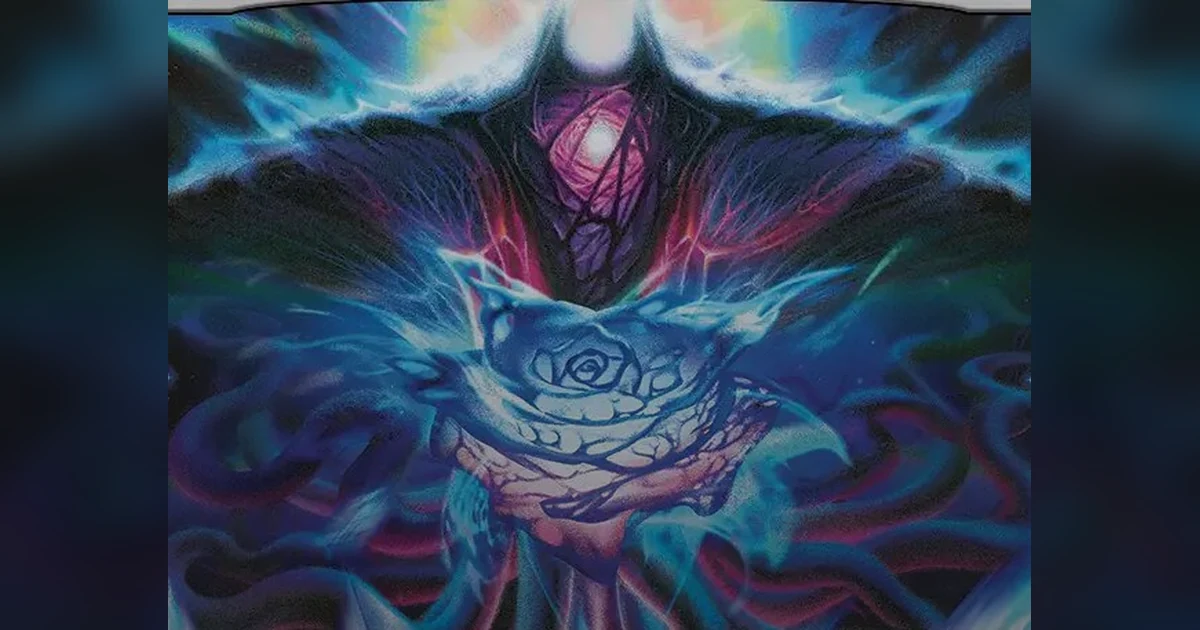
Every new set arrives with a hype cycle, and Reality Fracture has enough oversized legends, strange lands, and mechanically ambitious nonsense to power one for several months. The more useful question is what survives after the spoiler-season adrenaline wears off. A card does not need to be the loudest mythic in the room; it needs to do something valuable, consistently, in the format where you actually intend to play it.

This is not a ranking of staff opinions or a replay of spoiler season. Instead, these are the cards I would watch for four practical reasons: they create resources, they turn ordinary game actions into payoffs, they remain useful when the perfect synergy deck fails to appear, or they solve a specific format problem better than the competition.
First test: does the card create a second resource?
The strongest cards in a new format often do more than their mana cost suggests. They draw a card, create a token, fix mana, or turn an otherwise dead card into a tutor target. Those effects are not flashy until they win the game, at which point everyone suddenly claims they saw it coming.
Pia, Aether Ascetic
Pia, Aether Ascetic is a two-mana uncommon legendary creature with a useful discard option: when Pia enters, you may discard a card to search for an enchantment and put it into your hand. That is a real reason to play the card even before the set’s enchantment themes are fully understood.
In Limited, the discard clause lets excess lands or late-game cards become something relevant. In Commander, an enchantment tutor on a cheap legendary body invites graveyard, sacrifice, and creature-recursion nonsense—the kind of nonsense that begins as “value” and ends with three people checking the stack history. Pia is not automatically powerful everywhere, but she has a clean floor and an obvious ceiling.

Craftwork Crusher
Craftwork Crusher is an uncommon artifact creature with trample and an enters-the-battlefield ability that lets you choose two: deal four damage to a creature or planeswalker, create a 2/2 Cadet token, or draw a card. This is the sort of card that makes a ramp deck feel less like it is taking a nap until turn seven.
Choosing two modes means the card can stabilize a board, replace itself, or generate extra material. It is expensive enough that it still needs a home, but it asks for less cooperation than a pure build-around. A six-mana card that is merely “big” is a future cut. A six-mana card that kills something and draws a card is at least invited to the upgrade conversation.

Second test: does the engine pay you for playing normal Magic?
The best synergy cards do not force you to spend the whole game assembling a museum exhibit. They reward actions your deck already wanted to take. Landfall, casting creatures, attacking, and making mana are all better hooks than “have exactly five named cards in play while the opponent politely waits.”
Aerid Konstrari and Heartwood tokens
Aerid Konstrari is a flying legendary Elder Sphinx that creates a Heartwood token when it enters or dies. The token is a red-and-green artifact that taps for either red or green mana. Aerid can also spend six mana to create another Heartwood token and gain power based on the number of artifacts you control.
That is a lot of text, but the important part is the resource loop: the card is an evasive threat, a source of mana, and an artifact payoff. In Limited, the token helps a ramp deck bridge the gap to its expensive threats. In Commander, it gives artifact decks a land-like resource that can also count toward artifact synergies. The card is doing several jobs before anyone starts building a shrine around it.
Roiling Canopy
Roiling Canopy enters tapped, taps for green, and rewards controlling at least five other Forests by giving a creature +3/+3 whenever a Forest enters. That sounds narrow until you remember how many green decks already play a suspicious number of Forests and treat land drops like a personal achievement system.
The cost is tempo: a tapped land is not free, especially in Limited. The payoff is that late-game land draws stop being completely embarrassing. In a dedicated green deck, Roiling Canopy turns a basic land into a meaningful combat trick and gives landfall strategies another way to convert mana development into pressure.

Third test: does the card threaten to swing a turn?
Some cards are valuable because they change combat math immediately. They do not need to generate an infinite loop or explain the entire set’s philosophy. They just make the opponent respect what happens if they tap out.
Frostbite Pyromental
Frostbite Pyromental has trample and haste, draws two cards when it deals combat damage to a player, and sacrifices itself at the beginning of the end step. That is a wonderfully honest deal: connect once and replace the creature with two cards, or watch it disappear having accomplished absolutely nothing. Magic contains multitudes.
The card belongs in decks that can clear a path or exploit the graveyard. Haste makes it a legitimate top-deck threat, trample reduces the chance that a token completely blanks it, and the temporary body makes sacrifice and reanimation strategies interested. It is not a generic four-of-everything card, but it creates enough immediate pressure to justify testing.

Darklight Phoenix
Darklight Phoenix is a flying, hasty mythic that returns from the graveyard at the beginning of combat if two or more creatures died that turn. The condition is demanding, but not mysterious. A deck with cheap creatures, sacrifice outlets, or repeatable removal can make it happen without needing a full combo assembled in triplicate.
Its biggest question is timing. If the format is full of creature combat and token exchanges, the Phoenix gets much better. If games are decided by single enormous threats and clean exile removal, the graveyard may be a less welcoming place. That is precisely the sort of card worth testing rather than declaring solved from a spoiler image.
Fourth test: does it matter outside the format everyone is discussing?
Reality Fracture is arriving with a Limited environment people are eager to explore, but several cards clearly point toward Commander or Constructed applications. That does not make them good automatically. It does mean their evaluation should not stop at “how early would I take this in Draft?”
Hall of Echoes
Hall of Echoes is a land that taps for colorless mana and can become a copy of a creature you control until end of turn. The legend rule does not apply to your permanents that turn. Five mana is a meaningful activation cost, but the card turns a land slot into a possible second copy of your best creature and can unlock powerful enters-the-battlefield sequences.
It is slow, vulnerable to land disruption, and exactly the kind of card Commander players will call “fun” right before using it to copy the creature that already drew half their deck. Still, the opportunity cost of a land slot is lower than the cost of adding a fragile combo piece, which makes Hall worth keeping in mind.

The early Reality Fracture verdict
These cards share a useful quality: each has a job even when the format refuses to cooperate. Pia finds a new plan, Craftwork Crusher stabilizes, Aerid makes mana, Roiling Canopy scales with the game, Frostbite Pyromental threatens a burst of cards, Darklight Phoenix rewards real graveyard action, and Hall of Echoes turns a land into a threat.
Draftsim’s staff picks are a useful snapshot of what experienced players were excited to test, but the format is now moving from speculation toward actual events. Wizards lists Reality Fracture prerelease events beginning September 25, 2026, with the worldwide release scheduled for October 2. That means the next tier list will be written by games, not vibes, which is unfortunate for everyone who has already made a spreadsheet.
Source: Topic inspiration came from Draftsim’s Staff Picks: Reality Fracture. Current event timing was checked against Wizards’ Reality Fracture Prerelease Guide. Card data and images were checked through Scryfall.