

Tapping an opposing creature looks simple: point at threat, turn it sideways, enjoy one less blocker or attacker. The difficult part is deciding when that small window matters. Tap effects are temporary answers, combat tricks, and sometimes engines, but those jobs do not happen at the same time. Treat them as timing tools and they can steal a turn. Fire them off casually and you have paid a card to make a creature take a nap.
First identify what the tap actually buys
Before spending mana, separate three outcomes. On defense, tapping a creature before it attacks removes that attacker for the current combat. On offense, tapping a blocker after attackers are declared but before blockers are chosen can clear a path. As a setup play, tapping a creature may turn on a payoff that cares about tapped opponents. The same target can matter in all three ways, but the best timing differs.
Tapping is not removal. The creature stays on the battlefield, keeps static abilities, and will normally untap in its controller’s next untap step unless the effect says otherwise. A tapped creature can still block only if it becomes untapped before blockers are declared. Conversely, a creature that is already tapped cannot attack or block, but tapping it again does not create extra value by itself.
That means the real question is not “Which creature is biggest?” It is “Which action am I preventing, and what will I do with the time?” If you tap their four-power attacker while you have no clock and they untap into the same board, you delayed the problem. Sometimes that is exactly enough; often it is an expensive calendar reminder.
On defense, wait until the decision is real
If you can activate at instant speed, do not tap an attacker during upkeep just because you are eager to use your ability. The opponent may use a main-phase effect to untap it, sacrifice it, or otherwise change the board before combat. Waiting until the beginning of combat usually gives you more information while still stopping it from attacking. If your effect has a sorcery-speed restriction or a cost that can be disrupted, use the latest safe window allowed by the card.
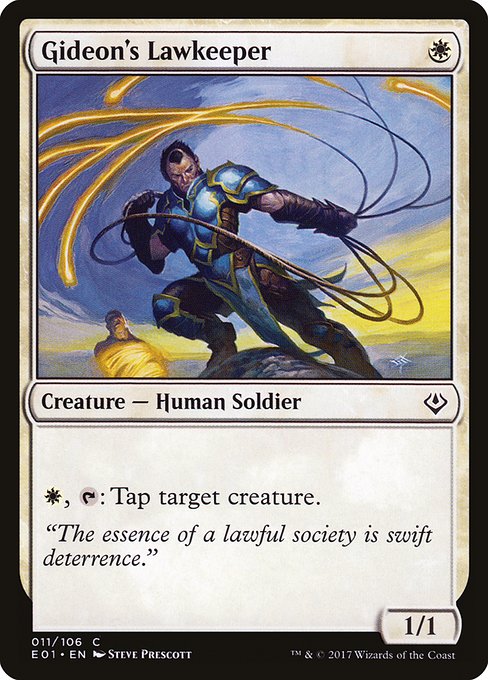
Gideon’s Lawkeeper is a clean example: a one-mana creature whose white-and-tap activation taps a target creature. The ability is repeatable, but it costs mana and the Lawkeeper must already be untapped. Keep enough mana available when the opponent’s attack matters; spending your last white mana on a minor play can turn your “answer” into a decorative one-drop.
There is a tradeoff: holding up mana can reveal your plan and leave you with unused resources if the opponent does not attack. If you need to develop your board, do that when the likely attack is manageable. Save the activation for a threat that changes the race, protects a planeswalker, or would otherwise force a bad block.
On offense, tap the blocker after it commits
When your goal is to push attackers through, use the effect after attackers are declared and before blockers. This keeps the opponent from choosing a different attacker after seeing your play, and it preserves the option to target whichever blocker is actually relevant. If an effect can be used in the declare blockers step, remember that blockers have already been declared by then; tapping a blocker late does not undo its block.
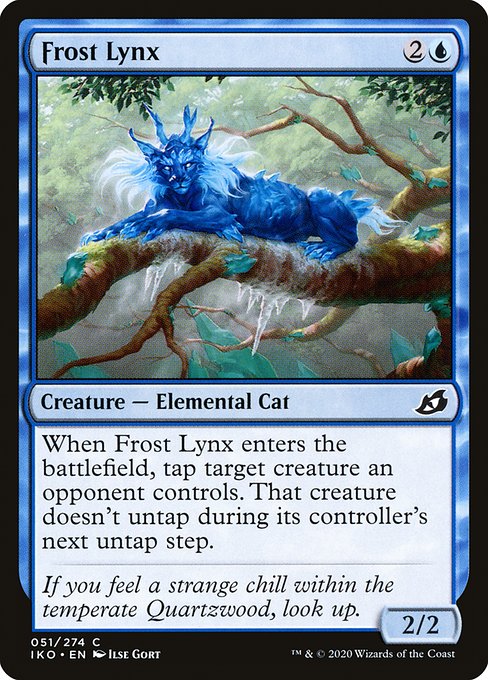
Frost Lynx shows the more proactive version. Its three-mana entry trigger taps an opposing creature and keeps it from untapping during its controller’s next untap step. Because it is attached to a creature spell, you must choose a target as the Lynx enters; you cannot wait to see how combat develops that turn. Aim at the best blocker or the creature that would otherwise attack next turn, depending on whether your deck is racing or defending.
One-shot effects earn their keep when you convert the opening into damage, a favorable exchange, or a decisive tempo lead. Count the attack before casting: will tapping one blocker let enough power through to matter? If not, consider whether the spell is better saved for defense. “I got in for two” is a result, technically, in the same way that a parking ticket is a souvenir.
Spend repeatable effects like a resource engine
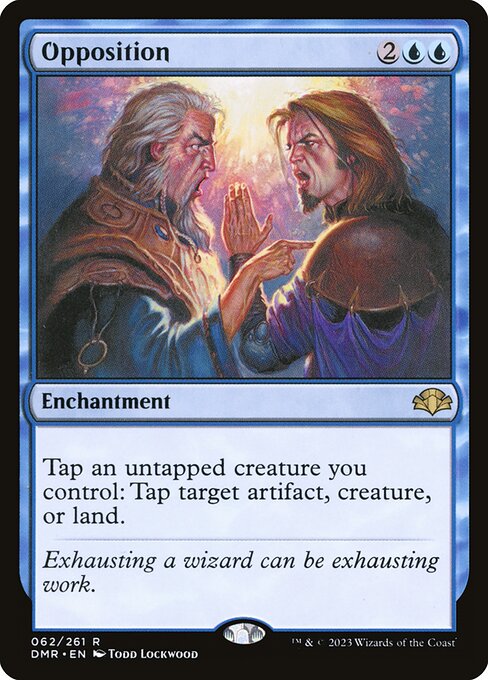
Repeatable tappers can dominate creature boards, but each activation consumes something: mana, a creature, or both. Opposition lets you tap an untapped creature you control to tap an artifact, creature, or land. That makes every spare token a possible lock piece. It also means each token used this way is not attacking or blocking, so a wide board does not equal free activations unless you have enough bodies to spare.
Pick a priority before you start activating. Tapping an opponent’s land in their upkeep can deny a key spell if you know their colors and the timing matters. Tapping a blocker before your attack can create damage now. Tapping their best attacker during their combat can preserve life. Switching targets without a plan is how you spend three creatures and still lose the race.
Watch for the opportunity cost on your side. Summoning sickness stops a creature from attacking or activating its own ability with {T} in the cost. It may still be tapped to pay a different effect’s cost, such as Opposition’s instruction to tap an untapped creature you control. A creature with vigilance may attack and remain untapped, giving you more flexibility after combat. Likewise, tokens that would trade in combat anyway may be better spent as activation fuel. Make the choice before declaring attackers, since an attacking creature is already tapped and unavailable for an ability that requires an untapped creature.
Turn taps into more than a skipped combat
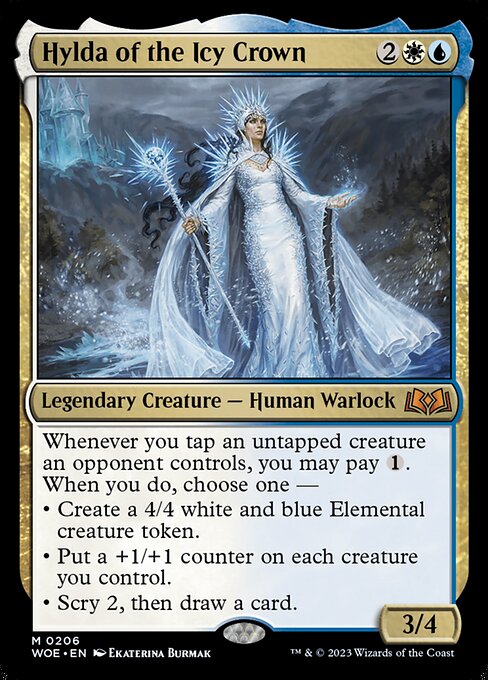
Some decks are built to profit whenever an opposing creature becomes tapped. Hylda of the Icy Crown triggers when you tap an untapped creature an opponent controls and lets you pay one mana for a reward: a 4/4 Elemental, counters for your team, or scry two then draw a card. The trigger is not free value by itself; you still need mana to choose a mode, and each tap only offers the trigger when that creature was untapped beforehand.
This changes how you evaluate modest effects. A tap spell that would be mediocre alone can become a card, board presence, or both when it also triggers a payoff. But do not overbuild around the trigger: you still need ways to affect the opponent’s board, and Hylda asks for spare mana after your tap effect. A curve that spends every point before combat may leave the engine idling.
Glare of Subdual offers a different exchange, tapping one of your creatures to tap an artifact or creature. Unlike Opposition, it cannot tap lands, but the ability can still shut off a blocker, attacker, or useful artifact. A token deck may have bodies to spare; a creature-light deck may discover that its engine has hired all its employees to operate itself.
A combat checklist
Before using a tap effect, answer four quick questions: what exact action will this stop; can I get more information by waiting; what does the opening let me accomplish; and what resource am I spending on my side? For a defensive activation, preserve it until combat is imminent. For an attack, wait until attackers are declared but before blockers are chosen. For a repeatable engine, assign bodies and mana to a clear priority.
Finally, read the full effect. A normal tap lasts until the creature’s controller’s next untap step; a stun counter, delayed untap clause, or other restriction changes that clock. If the effect is attached to a spell or trigger, its timing may be fixed. The rules text is less dramatic than the art, but it is usually the part that determines whether your opponent misses combat or merely gets a brief inconvenience.
Source: Draftsim’s tapper guide inspired this practical timing discussion. Card details and images were checked with Scryfall.