
Foundations Commander is doing something preconstructed decks rarely manage: it is admitting that new players need an on-ramp, not a cardboard avalanche. The five mono-colored decks—Calling All Angels, Keen Engineering, Reign of Dragons, Tramplesaurus Rex, and Wretched Ranks—release October 2, 2026 alongside Reality Fracture.
That focus matters. Commander has become the format where a beginner can sit down with a pile of cards and immediately encounter twelve triggered abilities, three tutors, a political hostage situation, and someone explaining that their “casual” deck only wins on turn four by accident. A focused mono-color deck is a much kinder first lesson.
What Foundations Commander is actually selling
Each deck is a ready-to-play 100-card Commander deck with a foil borderless face commander, 99 nonfoil cards, tokens, a reference card, and a deck box. Every deck has one color and a plainly advertised plan. Four are creature-focused or typal decks; Keen Engineering is the artifact-and-Thopter option.
Wizards lists a $30 MSRP for each deck, though the price on the internet will naturally behave like a small, angry goblin once supply and demand get involved. These are aimed at new players, but experienced players will want to know whether the decks contain useful staples and coherent upgrade paths instead of becoming five expensive piles of introductory confetti.
Calling All Angels — the safest first purchase
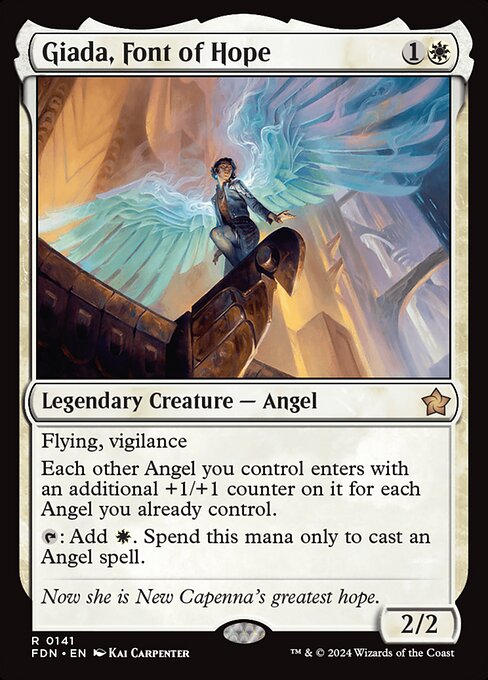
Giada, Font of Hope leads the white deck. Giada rewards playing Angels with +1/+1 counters and helps deploy expensive threats faster. The plan is easy to understand: make Angels, make them bigger, gain some life, and attack.
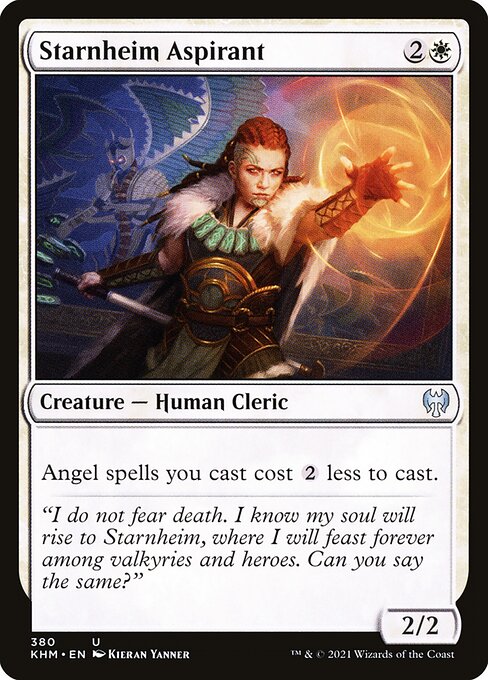
Cards such as Starnheim Aspirant, Lyra Dawnbringer, Sephara, Sky’s Blade, and Righteous Valkyrie all point in the same direction. That clarity is valuable. A new player should learn why a deck works before learning why their mana base contains four lands that enter tapped for reasons nobody can explain.
Keen Engineering — the most interesting upgrade shell
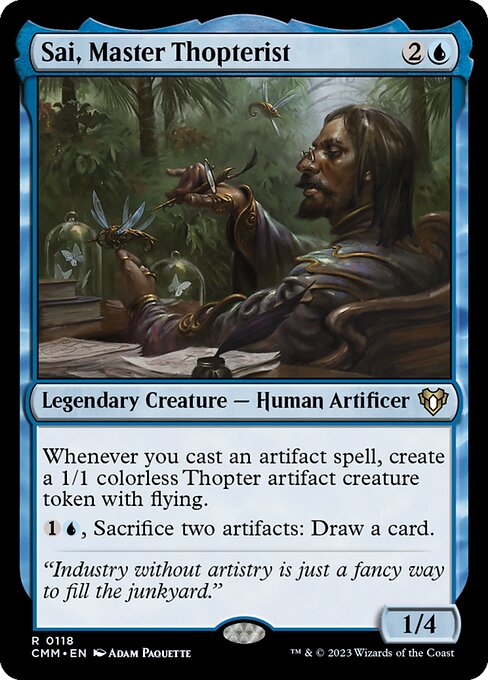
Sai, Master Thopterist turns artifact casting into a growing army of Thopters and can sacrifice artifacts for cards. This deck should appeal to players who enjoy engines, incremental value, and making a dozen small flying problems instead of one enormous problem.
The expected core includes Thopter Fabricator, Whirler Rogue, Thopter Spy Network, and Chief of the Foundry. Keen Engineering can branch into sacrifice, artifact recursion, or a more aggressive token build. The downside is that artifacts create board states where every permanent has a paragraph of text and everyone needs to read it before combat.
Reign of Dragons — big finishers, real mana problems
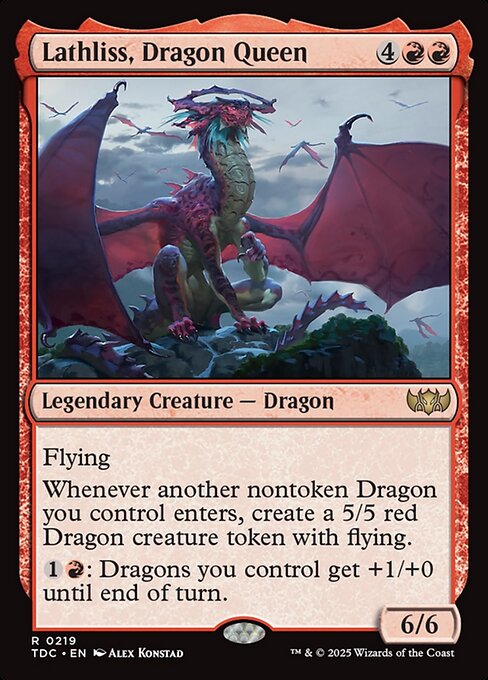
Lathliss, Dragon Queen leads the red deck, promising Dragons and Treasure. Lathliss creates an additional 5/5 Dragon whenever another nontoken Dragon enters, letting the deck snowball once it has enough mana to cast its expensive threats.
Magda, Brazen Outlaw and Captain Lannery Storm are natural early-game support, while Goldspan Dragon and Tyrant’s Familiar give the top end something to do besides look impressive in a binder. This is a fun first deck for anyone who wants spectacle, but it also teaches that six-mana creatures are only powerful when your lands continue cooperating.
Tramplesaurus Rex — the cleanest green lesson
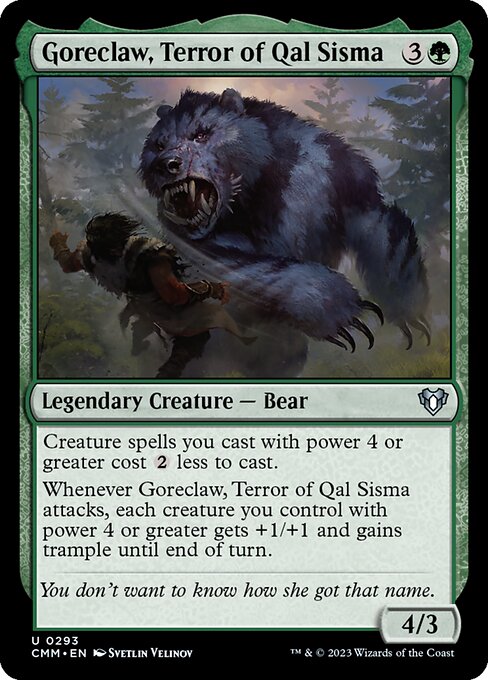
Ghalta, Primal Hunger leads the green deck, which is built around large creatures and power-matters payoffs. Goreclaw, Terror of Qal Sisma makes big creatures cheaper and rewards them when they attack, while Garruk’s Uprising provides cards and trample.
This should be the most immediately intuitive deck for a player who wants combat to solve problems. Put something enormous onto the battlefield, point it at an opponent, and ask whether they have an answer. Sometimes the ancient traditions are the best ones.
Wretched Ranks — sacrifice with a zombie accent
Ghoulcaller Gisa commands the black deck, combining Zombies with sacrifice outlets and death triggers. Gisa can sacrifice a creature to create tapped Zombies equal to that creature’s power, so the deck wants expendable bodies and reasons to let them die.
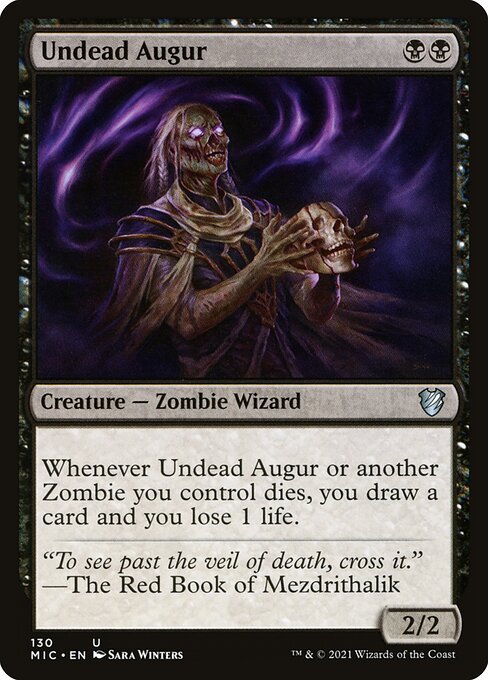
Lord of the Accursed gives the army a classic payoff, while Undead Augur turns dead creatures into cards. This is probably the most mechanically complicated deck of the five—not because the plan is unclear, but because sacrifice decks invite you to count triggers, reorder triggers, and discover that your “small” decision used the entire table’s available time.
Which deck should you buy?
- Best beginner-friendly pick: Calling All Angels.
- Best for upgrades and engine play: Keen Engineering.
- Best for dramatic finishes: Reign of Dragons.
- Best for straightforward combat: Tramplesaurus Rex.
- Best for sacrifice and graveyard play: Wretched Ranks.
The full decklists are now available from Wizards, so the speculation phase is over and the sensible evaluation phase can begin. Draftsim’s original overview helped identify the themes and likely commanders; these recommendations are editorial analysis for UntapMTG. The final verdict depends on the actual mana bases, interaction, and number of cards that remain useful after the first upgrade session.
Bottom line: Foundations Commander looks like a promising gateway product because it gives new players a deck identity before asking them to understand the entire history of Magic. That is a much better deal than handing someone a random pile of cards and calling the resulting confusion “deckbuilding.”
Sources: Draftsim: Foundations Commander overview and Wizards of the Coast: Foundations Commander decklists. Card data and images via Scryfall.